Meine Familiengeschichte - Teil 2
My Family History - Part 2
L'histoire de ma famille - Partie 2
Aktualisiert am / Updated on / Mise à jour le: 27.09.2026
__________________________________________________________________
D
Mein unbekannter tschechischer Familienzweig
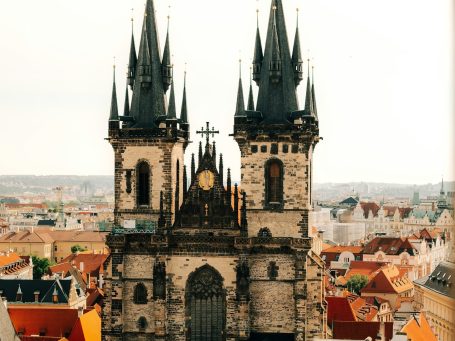
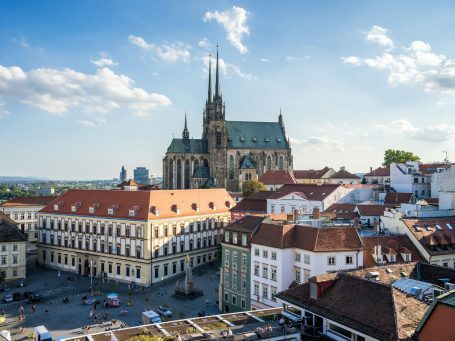
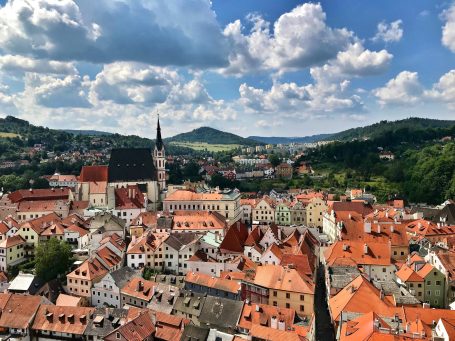
Erst vor wenigen Wochen bin ich im Zuge meiner Forschung auf einen Namen gestoßen, der mir bisher nicht bekannt gewesen war: Mein Ur-Ur-Ur-Großvater mütterlicherseits hatte eine Anna Závodský geehelicht. Damit ist bewiesen, dass ich auch tschechische Vorfahren habe, die neben Tschechisch natürlich auch Deutsch sprachen.
Der Name Zavodsky kommt - in unterschiedlichen Schreibweisen - sowohl in Tschechien, in der Slowakei als auch in Österreich vor, ist dort aber vorwiegend in Ostösterreich verbreitet. Es gibt auch eine abweichende (eingedeutschte) Schreibweise des Namens: Zawodsky.
Über diese Frau konnte ich leider nichts Konkretes herausfinden. Es wurde mir aber klar, dass sie aus einer bedeutenden Familie stammte.
Es gibt historische Personen in Tschechien, die in ihrem Land größere Bedeutung erlangt haben, wie etwa Osvald Závodský (1910–1954), ein tschechoslowakischer Kommunist, oder der noch lebende Ondřej Závodský. Dieser ist ein bekannter Jurist, der auch stellvertretender Justizminister war.
Weitere bekannte Persönlichkeiten mit diesem Namen: Braňo Závodský, ein slowakischer Journalist und Radio-Moderator sowie Alfred Zavodsky, ein österreichischer Maler. Kunstwerke von ihm kann man hier bewundern. Ob dieser seine Pinsel beim Namensvetter kauft, ist nicht überliefert.
In Wien gibt es die P. Zavodsky KG. Sie gilt als die letzte verbliebene Pinselfabrik in Österreich. Das Traditionsunternehmen produziert handgefertigte, hochwertige Pinsel, Bürsten und Malerzubehör.
__________________________________________________
E
My Unknown Czech Family Branch
It was only a few weeks ago, while conducting research, that I came across a name previously unknown to me: my maternal great-great-great-grandfather had married a woman named Anna Závodský. This confirms that I have Czech ancestors who—in addition to Czech—naturally spoke German as well.
The name Závodský appears—in various spellings—in the Czech Republic, Slovakia, and Austria, though in the latter, it is predominantly found in the eastern regions. There is also a variant (Germanized) spelling of the name: Zawodsky.
Unfortunately, I was unable to uncover any concrete details about this woman. However, it became clear to me that she hailed from a prominent family.
There are historical figures in the Czech Republic who achieved significant renown in their country, such as Osvald Závodský (1910–1954), a Czechoslovak communist, and the still-living Ondřej Závodský. The latter is a well-known lawyer who also served as Deputy Minister of Justice.
Other notable figures bearing this name include Braňo Závodský, a Slovak journalist and radio host, and Alfred Zavodsky, an Austrian painter. His artworks can be admired here. Whether he buys his paintbrushes from his namesake is not recorded.
Vienna is home to P. Zavodsky KG, considered the last remaining paintbrush factory in Austria. This long-established company produces high-quality, handmade paintbrushes, brushes, and painting supplies.
_________________________________________________
F
Ma branche inconnue de ma famille tchèque
Il y a quelques semaines, au cours de mes recherches, je suis tombée sur un nom qui m'était inconnu : mon arrière-arrière-arrière-grand-père maternel a épousé une certaine Anna Závodský. Cela prouve que j'ai aussi des ancêtres tchèques qui, outre le tchèque, parlaient naturellement aussi allemand.
Le nom Zavodsky apparaît – sous différentes orthographes – en République tchèque, en Slovaquie et en Autriche, bien qu'il soit plus fréquent dans l'est de l'Autriche. On trouve également une variante germanisée : Zawodsky.
Malheureusement, je n'ai rien trouvé de concret sur cette femme. Cependant, il m'est apparu clairement qu'elle appartenait à une famille influente. La République tchèque compte des personnalités historiques qui ont marqué leur pays, comme Osvald Závodský (1910-1954), communiste tchécoslovaque, ou Ondřej Závodský, juriste renommé et ancien vice-ministre de la Justice, toujours vivant.
Parmi les autres personnalités portant ce nom, on peut citer Braňo Závodský, journaliste et animateur radio slovaque, et Alfred Zavodsky, peintre autrichien. Ses œuvres sont visibles ici. On ignore s'il s'approvisionnait en pinceaux auprès de son homonyme.
À Vienne se trouve P. Zavodsky KG, considérée comme la dernière fabrique de pinceaux d'Autriche. Cette entreprise traditionnelle produit artisanalement des pinceaux et du matériel de peinture de haute qualité.

Foto / Pic / Photo: Copyright by UNSPLASH
___________________________________________________________________
Grenzland-Tristesse seit 1631
Borderland gloom since 1631
La mélancolie des régions frontalières depuis 1631
_____________________________________________
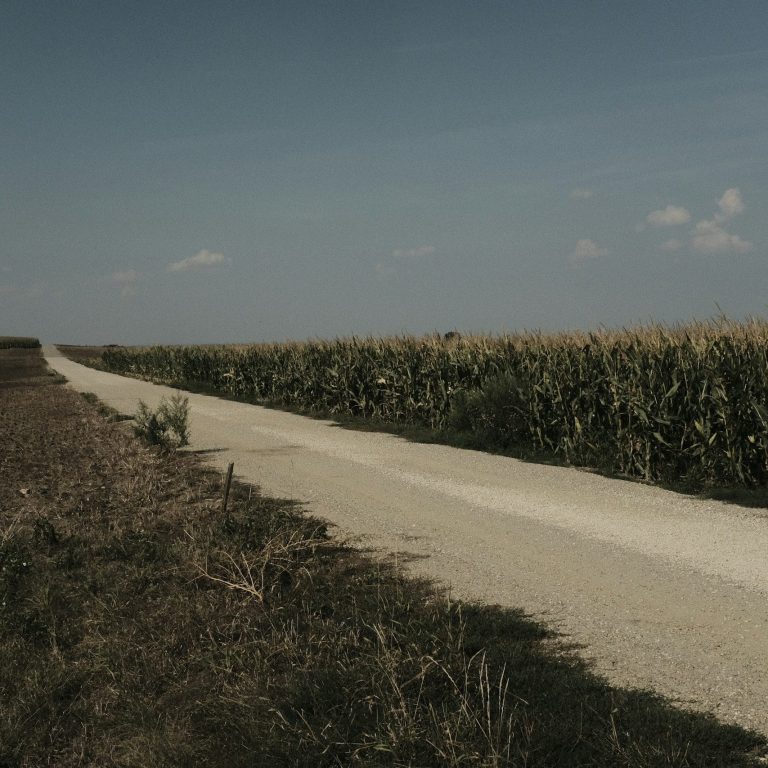
Typisches Feld im Weinviertel. Foto / Pic / Photo: Copyright by UNSPLASH
_____________________________________________
D
Unter meinen Vorfahren mütterlicherseits befindet sich auch eine alteingesessene Familie im Weinviertel (nordöstliches Niederösterreich), welche bis heute in Bernhardsthal lebt. Ihr Name ist Weilinger (auch Weillinger oder Wallinger).
Die Lage des Ortes an der tschechischen Grenze (früher direkt am Eisernen Vorhang) und auch die Landschaft können auf Besucher ziemlich trostlos wirken. - Die Einheimischen sind sicher daran gewöhnt und haben sich damit abgefunden.
Der Ort hat keine spektakulären Besonderheiten zu bieten. Wirklich beeindruckend ist jedoch die akribische Arbeit einiger Heimatforscher, die in jahrelanger aufwändiger Arbeit ein lückenloses Verzeichnis der Bewohner der Häuser des Ortes erstellt haben ("Berhnhardsthaler Häuserverzeichnis").
Aus diesen Aufzeichnungen geht hervor, dass der Ort schon sehr lange besiedelt ist. Erste Namenslisten gibt es bereits aus dem Jahr 1605. Im "Seelenverzeichnis" von 1631 scheint erstmals ein Peter Waillinger auf.
Die ursprünglich nur mit Nummern versehenen Häuser erhielten ab 1934 eigene Straßennamen.
In den Matrikelbüchern der Pfarrgemeinde machte ich mich auf die Suche nach meinem Urgroßvater Johann Weilinger. Wie sich dabei herausstellte, hatte dieser mehrere Namensvettern, die alle in diesem Ort gelebt haben. Leider sind einige Bücher aus dem 17. Jahrhundert bei einem Brand zerstört worden.
Aufgrund der konstanten Präsenz der Familie Weilinger an diesem Ort kann davon ausgegangen werden, dass Bernhardsthal schon vor 1500 existierte.
Mein Urgroßvater Johann Weilinger ist zwar dort geboren, zog aber später aus beruflichen Gründen von Bernhardsthal weg und arbeitete an verschiedenen Gutshöfen als Gutsverwalter, was ihn bis nach Maribor (Slowenien) verschlug. Deshalb musste die ganze Familie mehrmals mit umziehen. So kam es, dass meine Großmutter in Maribor eine deutschsprachige Schule besucht hat.
_____________________________________________
E
Among my maternal ancestors is a long-established family from the Weinviertel region (northeastern Lower Austria) that still lives in Bernhardsthal today. Their surname is Weilinger (also spelled Weillinger or Wallinger).
The village's location on the Czech border—formerly right next to the Iron Curtain—and the surrounding landscape can seem rather bleak to visitors; the locals, however, are certainly accustomed to it and have come to terms with it.
The village offers no spectacular attractions. What is truly impressive, however, is the meticulous work of local historians who, through years of painstaking effort, compiled a comprehensive register of the village's households (the "Bernhardsthal House Register").
These records reveal that the village has been inhabited for a very long time. The earliest lists of names date back to 1605, and a Peter Waillinger appears for the first time in the "Register of Souls" from 1631.
Houses that were originally identified only by numbers were assigned specific street names starting in 1934.
I searched the parish registers for my great-grandfather, Johann Weilinger. It turned out that there were several other men with the same name who had lived in the village. Unfortunately, some of the 17th-century records were destroyed in a fire.
Given the Weilinger family's continuous presence in the area, it can be assumed that Bernhardsthal existed prior to 1500.
Although my great-grandfather Johann Weilinger was born there, he later left Bernhardsthal for professional reasons, working as an estate manager at various large farms—a career path that took him as far as Maribor (Slovenia). Consequently, the entire family had to relocate several times; this is how my grandmother came to attend a German-speaking school in Maribor.
__________________________________________________
F
Parmi mes ancêtres maternels figure une famille établie de longue date dans le Weinviertel (nord-est de la Basse-Autriche), qui vit encore aujourd'hui à Bernhardsthal. Leur nom est Weilinger (également orthographié Weillinger ou Wallinger).
La situation du village, à la frontière tchèque (autrefois en plein rideau de fer), et le paysage environnant peuvent paraître assez austères aux visiteurs. Les habitants, quant à eux, y sont habitués et l'ont accepté.
Le village lui-même ne présente aucun attrait particulier. Cependant, le travail méticuleux de certains historiens locaux est véritablement impressionnant. Pendant de nombreuses années, ils ont compilé avec soin un registre complet des habitants du village (« Registre des maisons de Bernhardsthal »).
Ces archives témoignent de l'ancienneté de l'occupation du village. Les premières listes de noms remontent à 1605. Un certain Peter Waillinger apparaît pour la première fois dans le « Recensement des âmes » de 1631.
Les maisons, initialement identifiées uniquement par des numéros, reçurent des noms de rue à partir de 1934.
J'ai consulté les registres paroissiaux à la recherche de mon arrière-grand-père, Johann Weilinger. Il s'est avéré qu'il avait plusieurs homonymes, tous originaires de ce village. Malheureusement, certains registres du XVIIe siècle ont été détruits dans un incendie.
La présence constante de la famille Weilinger dans la région permet de supposer que Bernhardsthal existait déjà avant 1500.
Bien que mon arrière-grand-père, Johann Weilinger, y soit né, il quitta Bernhardsthal par la suite pour des raisons professionnelles et travailla comme régisseur dans différentes fermes, jusqu'à Maribor, en Slovénie. De ce fait, toute la famille dut déménager à plusieurs reprises. C'est ainsi que ma grand-mère se retrouva à fréquenter une école germanophone à Maribor.
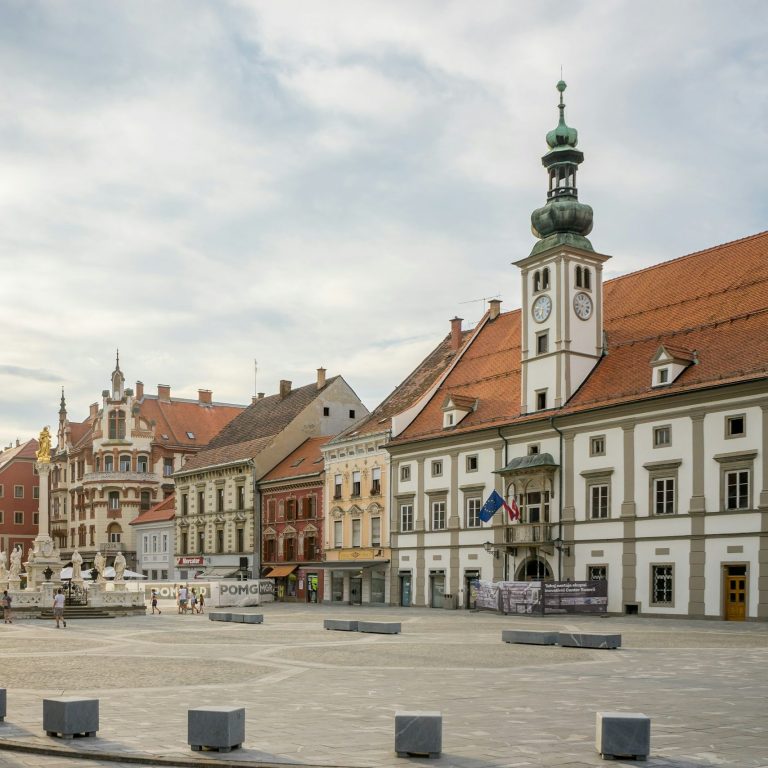
Maribor, Slowenien. Foto / Pic / Photo: Copyright by UNSPLASH
VD 615 Ahnenforschung - Teil 2
____________________________________________
Wie kamen die Bajuwaren in meine Familie?
How did the Bavarians enter my family?
Comment les Bavarois sont-ils entrés dans ma famille ?
____________________________________________
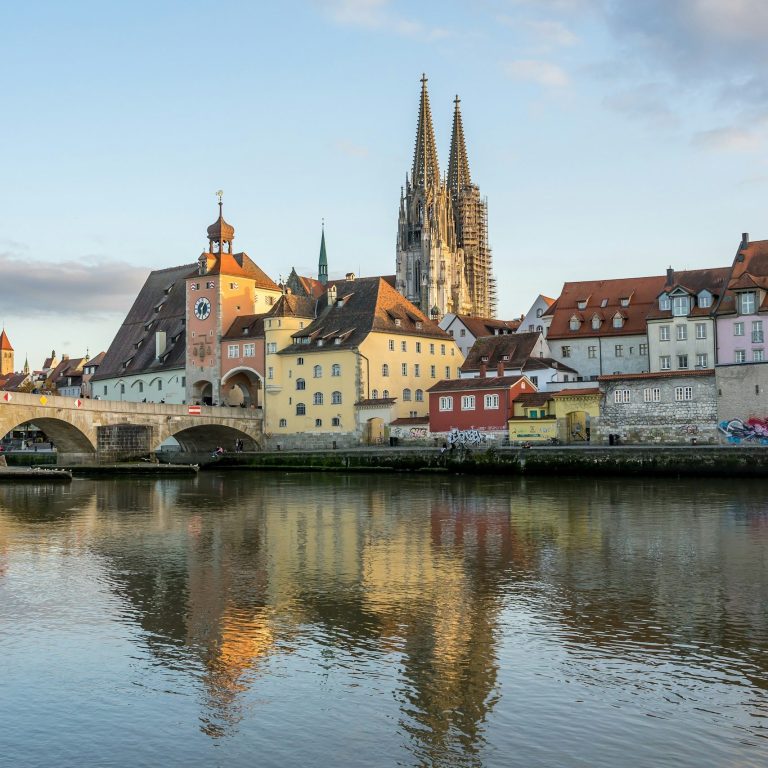
Regensburg an der Donau. Foto / Pic / Photo: Copyright by UNSPLASH
____________________________________________
D
Die familiären Wurzeln meines Großvaters väterlicherseits konnte ich bis nach Niederbayern (Raum Regensburg und Straubing) nachverfolgen.
Im Laufe der Jahrhunderte wanderten Menschen aus dieser Region entlang der Donau stromabwärts (wobei sie vermutlich Boote oder Flöße benutzten), ließen sich in den Orten entlang des Flusses nieder und vermischten sich mit der einheimischen Bevölkerung.
In Niederösterreich, südöstlich von Linz, liegt der kleine Ort Pühring. Der Name meines Großvaters - Pühringer (spätere Schreibweise auch "Pirringer") ist ein klassischer Herkunftsname.
Hinsichtlich der Namensverbreitung gibt es eine klare Ost-West-Verteilung. Personen mit dem Namen Pühringer finden sich vorwiegend in Oberösterreich, während die Pirringers eher im östlichen Niederösterreich anzutreffen sind.
____________________________________________
E
I was able to trace my paternal grandfather's family roots back to Lower Bavaria (specifically the Regensburg and Straubing area).
Over the centuries, people from this region migrated downstream along the Danube—likely using boats or rafts—settling in towns along the river and intermingling with the local population.
The small town of Pühring is located in Lower Austria, southeast of Linz. My grandfather's surname, Pühringer (also spelled "Pirringer" in later records), is a classic toponymic surname—one derived from a place of origin.
Regarding the distribution of the name, there is a clear east-west pattern: individuals named Pühringer are found predominantly in Upper Austria, whereas the Pirringers are more commonly encountered in eastern Lower Austria.
_________________________________________________
F
J'ai pu retracer les origines de la famille de mon grand-père paternel jusqu'en Basse-Bavière (région de Ratisbonne et Straubing).
Au fil des siècles, les habitants de cette région ont migré en aval du Danube (probablement en bateau ou en radeau), se sont installés dans les villes riveraines et se sont mêlés à la population locale.
La petite ville de Pühring se situe en Basse-Autriche, au sud-est de Linz. Le nom de mon grand-père, Pühringer (orthographié plus tard « Pirringer »), est un toponyme classique.
Concernant la répartition de ce nom, on observe une nette distinction est-ouest. Les personnes portant le nom de famille Pühringer se trouvent principalement en Haute-Autriche, tandis que celles portant le nom Pirringer sont plus fréquentes dans l'est de la Basse-Autriche.
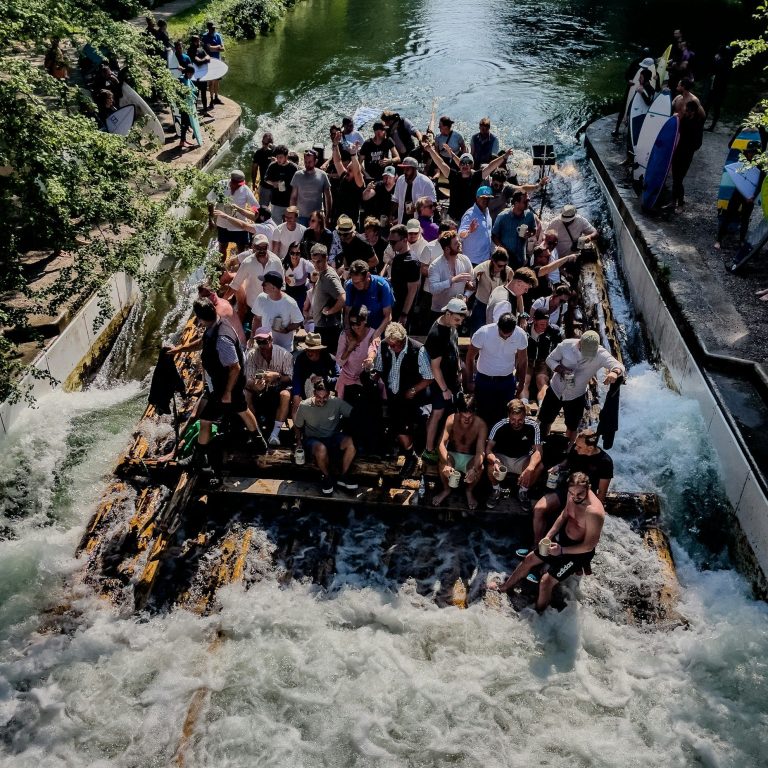
Floß. Foto / Pic / Photo: Copyright by UNSPLASH
_________________________________________________________________
Die vergessene Eisenbahner-Dynastie in Iglau
The Forgotten Railway Family Dynasty in Iglau
La dynastie ferroviaire oubliée de Jihlava
____________________________________________
D
Wie ich aus den Iglauer Matrikelbüchern entnehmen konnte, waren sowohl mein Ur-Ur-Großvater als auch mein Stief-Urgroßvater bei der tschechischen Eisenbahn beschäftigt.
Die Bahnlinie, auf der sie tätig waren, hieß ursprünglich - während der Kaiserzeit - Österreichische Nordwestbahn (ÖNWB).
In der Ära der ČSSR wurde diese Bahnstrecke in die Tschechoslowakischen Staatsbahnen eingegliedert. Die Bezeichnung lautete ab dann "Československé státní dráhy" (kurz ČSD).
Mein Ur-Ur-Opa war damals als Lokomotivheizer tätig. Dies war eine schwere körperliche Tätigkeit, gleichzeitig aber auch eine sehr angesehene, verantwortungsvolle Aufgabe. Mit dem Verschwinden der dampfbetriebenen Loks und der Umstellung auf Elektrifizierung verlor dieser Beruf jedoch an Bedeutung.
_________________________________________________
E
As I was able to ascertain from the Iglau parish registers, both my great-great-grandfather and my step-great-grandfather were employed by the Czech Railways.
The railway line on which they worked was originally – during the Imperial era – known as the Austrian North-Western Railway (ÖNWB).
During the Czechoslovak era, this railway line was incorporated into the Czechoslovak State Railways. From then on, it was known as ‘Československé státní dráhy’ (ČSD for short).
My great-great-grandfather worked as a locomotive stoker at the time. This was physically demanding work, but at the same time a highly respected and responsible role. However, with the phasing out of steam-powered locomotives and the switch to electrification, this profession lost its significance.
_________________________________________________
F
D'après ce que j'ai pu lire dans les registres d'Iglau, mon arrière-arrière-grand-père et mon arrière-grand-père par alliance travaillaient tous deux pour les chemins de fer tchèques.
La ligne ferroviaire sur laquelle ils exerçaient leurs fonctions s'appelait à l'origine, à l'époque impériale, l'Österreichische Nordwestbahn (ÖNWB).
À l'époque de la ČSSR, cette ligne a été intégrée aux Chemins de fer d'État tchécoslovaques. Elle a alors pris le nom de « Československé státní dráhy » (ČSD en abrégé).
Mon arrière-arrière-grand-père travaillait à l’époque comme chauffeur de locomotive. Il s’agissait d’un travail physiquement pénible, mais aussi d’une fonction très respectée et à haute responsabilité. Avec la disparition des locomotives à vapeur et le passage à l’électrification, ce métier a toutefois perdu de son importance.
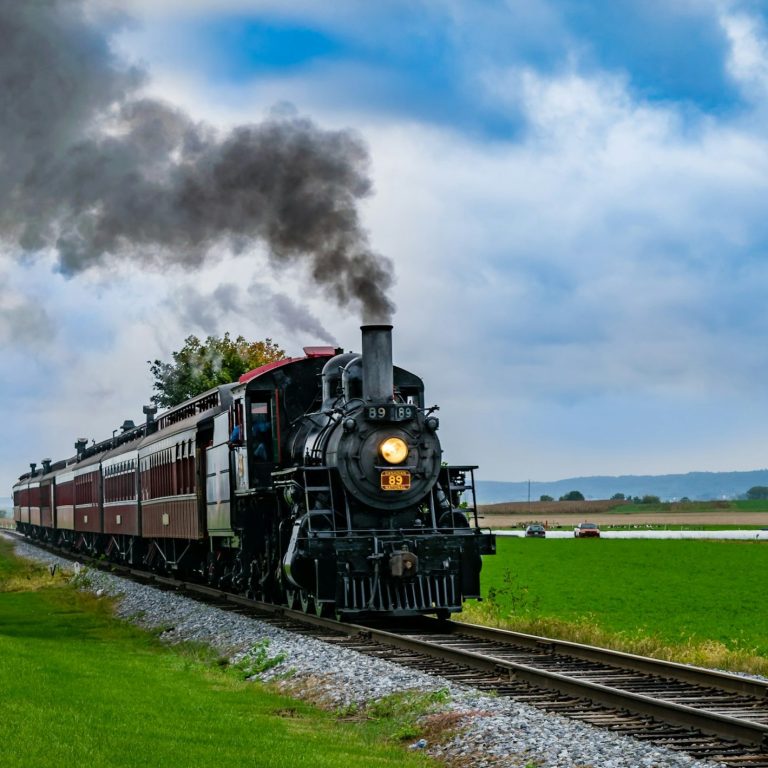
Foto / Pic / Photo: Copyright by UNSPLASH
_________________________________________________________________
Heimatdichterin aus Leidenschaft
A passionate poet of her homeland
Un poète local passionné
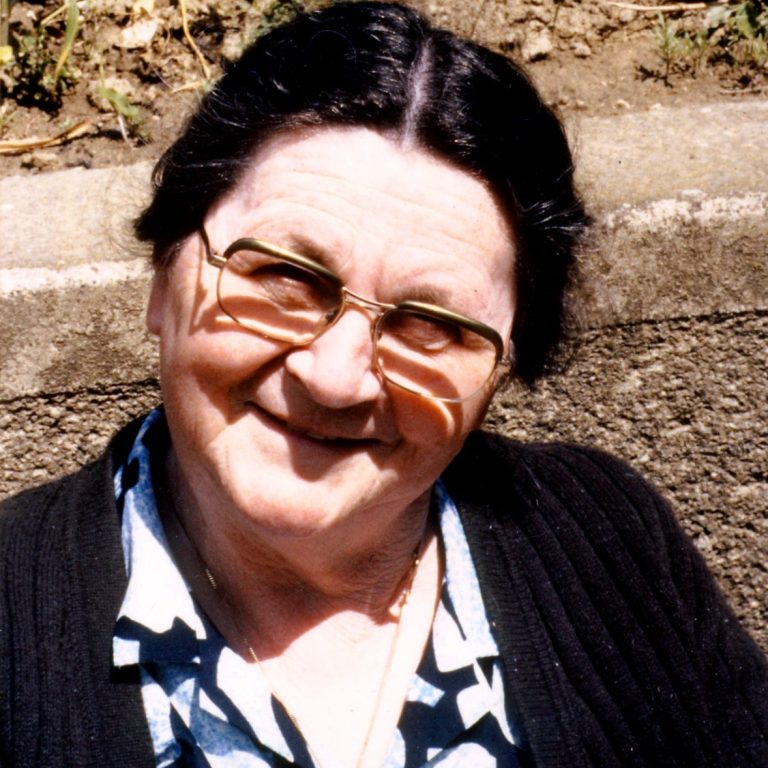
Foto / Pic / Photo: privat / private / privé
____________________________________________
D
Meine Großmutter Hermine Lukschanderl (1929-2005), Tochter des Gutsverwalters Johann Weilinger, war eine bekannte Heimatdichterin des Weinviertels in Niederösterreich. Nach dem Ende ihrer beruflichen Tätigkeit als Lehrerin widmete sie sich dem Schreiben und Komponieren. Daraus entstanden zahlreiche Gedichte, Prosa, Liedtexte und Melodien.
Der kreative Lebensabend
Der Übergang vom Lehrberuf in den Ruhestand markierte für sie den Beginn einer sehr produktiven künstlerischen Phase. Das jahrzehntelange Gespür für Sprache, das sie als Pädagogin auszeichnete, floss nun direkt in ihre Texte und Melodien. Ihren Lebensmittelpunkt und ihre größte Inspirationsquelle fand sie im ländlichen Alltag, der Natur und der Gemeinschaft des Weinviertels – insbesondere in der Gemeinde Asparn an der Zaya und dem Ort Altmanns.
Das literarische Profil: Die Gedichtbände
Ihr Schaffen wurde in zahlreichen, meist im Selbstverlag herausgegebenen Gedichtbänden und kleinen Anthologien festgehalten. Stilistisch bewegte sie sich in der Tradition der klassischen Mundart- und Heimatdichtung. Ihre Sprache zeichnet sich durch Schlichtheit, genaue Naturbeobachtung und eine leise, besinnliche Melancholie aus. Zu ihren Sammlungen gehören Bände wie „Aus der Stille – Gedichte“ und Werke, die sich der Landschaft und den Menschen ihrer Heimat widmeten. Ein wiederkehrendes Motiv ist die „Stille“ als Gegenentwurf zur lauten, modernen Welt.
Bedeutung für die Chormusik
Obwohl tief im Weinviertel verwurzelt, fand ihre Lyrik überregionalen Anklang in der österreichischen Volkslied- und Chorszene. Da Hermine Lukschanderl nicht nur Texte verfasste, sondern auch eigene Melodien komponierte, trafen ihre meist dreistimmigen Sätze exakt den Ton des traditionellen alpenländischen Chorgesangs:
• „Aus der Stille“: Ihr gleichnamiges Gedicht wurde zu einem beliebten Chorsatz und wanderte in das Repertoire namhafter Ensembles – darunter der Brucker Singkreis sowie traditionsreiche Formationen in der Stilistik des Grenzlandchors Hohenau.
• „A Liad bei der Arbeit“: Ein weiteres bekanntes Werk, das im Archiv der Volkskultur Niederösterreich hinterlegt ist, entstand in Zusammenarbeit mit dem Komponisten Anton Hofer.
Die adventlichen und weihnachtlichen Werke
Besondere Bekanntheit erlangten ihre besinnlichen Stücke für die Vorweihnachtszeit. Ihre Lieder fangen die Ruhe der ländlichen Weihnacht ein und wurden von verschiedenen Gesangstrios und regionalen Chören (wie dem Zistersdorfer Terzett) gesungen und auf Tonträgern festgehalten:
• „O gnadenvolle Zeit“ (Arrangement: Franz Unger)
• „Weihnachten naht“
• „Da liegst im Stall, du herzliabes Kind“ (erschienen im Musikhaus Doblinger)
Hermine Lukschanderl verstarb im Jahr 2005. Ihr Schaffen lebt heute in der regionalen Praxis weiter: Ihre Gedichte werden nach wie vor bei Kultur- und Schulmusikfesten im Weinviertel rezitiert, ihre Notensätze sind im Verbund der VolksLiedWerke Österreichs verzeichnet und ihre Lieder gehören im Advent zum festen Bestandteil vieler Chöre.
_________________________________________________
E
My grandmother Hermine Lukschanderl (1929–2005), daughter of estate manager Johann Weilinger, was a well-known regional poet from the Weinviertel region of Lower Austria. After retiring from her career as a teacher, she devoted herself to writing and composing, producing numerous poems, prose pieces, song lyrics, and melodies.
A Creative Retirement
The transition from teaching to retirement marked the beginning of a highly productive artistic phase for her. The keen sense of language she had honed over decades as an educator now flowed directly into her texts and melodies. She found the center of her life and her greatest source of inspiration in the rural daily life, nature, and community of the Weinviertel—specifically in the municipality of Asparn an der Zaya and the village of Altmanns.
Literary Profile: The Poetry Collections
Her work was documented in numerous poetry collections and small anthologies, most of which were self-published. Stylistically, she followed the tradition of classic dialect and regional poetry. Her language is characterized by simplicity, precise observation of nature, and a quiet, contemplative melancholy. Her collections include volumes such as “Aus der Stille – Gedichte” (From the Silence – Poems) and works dedicated to the landscape and people of her homeland. A recurring motif is "silence" as a counterpoint to the noisy, modern world.
Significance for Choral Music
Although deeply rooted in the Weinviertel, her poetry resonated beyond the region, finding a place in the Austrian folk song and choral music scenes. Since Hermine Lukschanderl not only wrote lyrics but also composed her own melodies, her arrangements—typically for three voices—perfectly captured the spirit of traditional Alpine choral singing:
• "Aus der Stille" (From the Silence): The poem of the same name became a popular choral piece, finding its way into the repertoires of renowned ensembles—including the Brucker Singkreis and traditional groups following the style of the Grenzlandchor Hohenau.
• "A Liad bei der Arbeit" (A Song While Working): Another well-known work, held in the Lower Austrian Folk Culture Archive (Archiv der Volkskultur Niederösterreich), was created in collaboration with composer Anton Hofer.
Works for Advent and Christmas
Her contemplative pieces for the pre-Christmas season gained particular renown. Her songs capture the quiet atmosphere of a rural Christmas and have been performed by various vocal trios and regional choirs (such as the Zistersdorfer Terzett) and recorded on audio media:
• "O gnadenvolle Zeit" (Arrangement: Franz Unger)
• "Weihnachten naht"
• "Da liegst im Stall, du herzliabes Kind" (published by Musikhaus Doblinger)
Hermine Lukschanderl passed away in 2005. Her work lives on in regional musical practice today: her poems are still recited at cultural events and school music festivals in the Weinviertel region, her scores are listed in the catalog of the Austrian Folk Song Associations (VolksLiedWerke Österreichs), and her songs remain a staple for many choirs during the Advent season.
_________________________________________________
F
Ma grand-mère, Hermine Lukschanderl (1929-2005), fille du régisseur Johann Weilinger, était une poétesse régionale renommée du Weinviertel, en Basse-Autriche. Après avoir pris sa retraite de l'enseignement, elle se consacra à l'écriture et à la composition, produisant de nombreux poèmes, textes en prose, paroles de chansons et mélodies.
Sa retraite créative
La transition de l'enseignement à la retraite marqua le début d'une période artistique particulièrement productive. La sensibilité linguistique qui l'avait caractérisée pendant des décennies en tant qu'éducatrice se retrouva alors directement dans ses textes et ses mélodies. Elle trouva son équilibre et sa plus grande source d'inspiration dans la vie rurale quotidienne, la nature et la communauté du Weinviertel, notamment dans la commune d'Asparn an der Zaya et le village d'Altmanns.
Son parcours littéraire : Les recueils de poésie
Son œuvre a été publiée dans de nombreux recueils de poésie et anthologies, pour la plupart autoédités. Sur le plan stylistique, elle s'inscrivait dans la tradition de la poésie dialectale classique et régionale. Son langage se caractérise par la simplicité, une observation précise de la nature et une mélancolie contemplative et sereine. Ses recueils comprennent des ouvrages tels que « Du silence – Poèmes » et des œuvres dédiées aux paysages et aux habitants de sa région natale. Le silence, en contrepoint au monde moderne et bruyant, y est un motif récurrent.
Importance pour la musique chorale
Bien qu'ancrée dans le Weinviertel, sa poésie a trouvé un large écho au sein du chant folklorique et choral autrichien. Hermine Lukschanderl écrivait non seulement des paroles, mais composait aussi ses propres mélodies ; ses arrangements, principalement à trois voix, saisissaient parfaitement l'esprit du chant choral alpin traditionnel :
• « Du silence » : Son poème éponyme est devenu une pièce chorale populaire et a intégré le répertoire d'ensembles renommés, tels que le Brucker Singkreis et des groupes établis de longue date dans le style du Grenzlandchor Hohenau.
• « A Liad bei der Arbeit » (Un chant au travail) : Une autre œuvre célèbre, conservée aux Archives de la culture populaire de Basse-Autriche, a été créée en collaboration avec le compositeur Anton Hofer.
Œuvres de l'Avent et de Noël
Ses pièces contemplatives pour le temps de l'Avent sont particulièrement appréciées. Ses chansons, empreintes de la sérénité d'un Noël champêtre, ont été interprétées par divers trios vocaux et chorales régionales (comme le Trio de Zistersdorf) et enregistrées :
• « O gnadenvolle Zeit » (Arrangement : Franz Unger)
• « Weihnachten naht »
• « Da liegst im Stall, du herzliabes Kind » (paru chez Musikhaus Doblinger)
Hermine Lukschanderl s'est éteinte en 2005. Son œuvre continue de rayonner dans la région : ses poèmes sont toujours récités lors de festivals culturels et musicaux scolaires du Weinviertel, ses partitions figurent au Répertoire autrichien de la chanson folklorique (VolksLiedWerke Österreichs), et ses chants sont un incontournable du répertoire de nombreuses chorales pendant l'Avent.
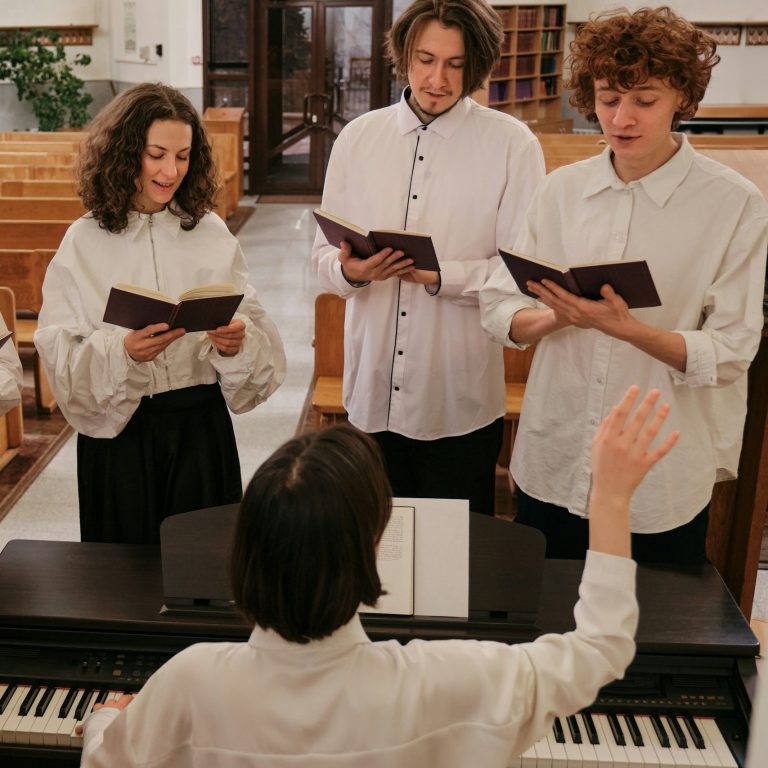
Foto / Pic / Photo: Copyright by UNSPLASH